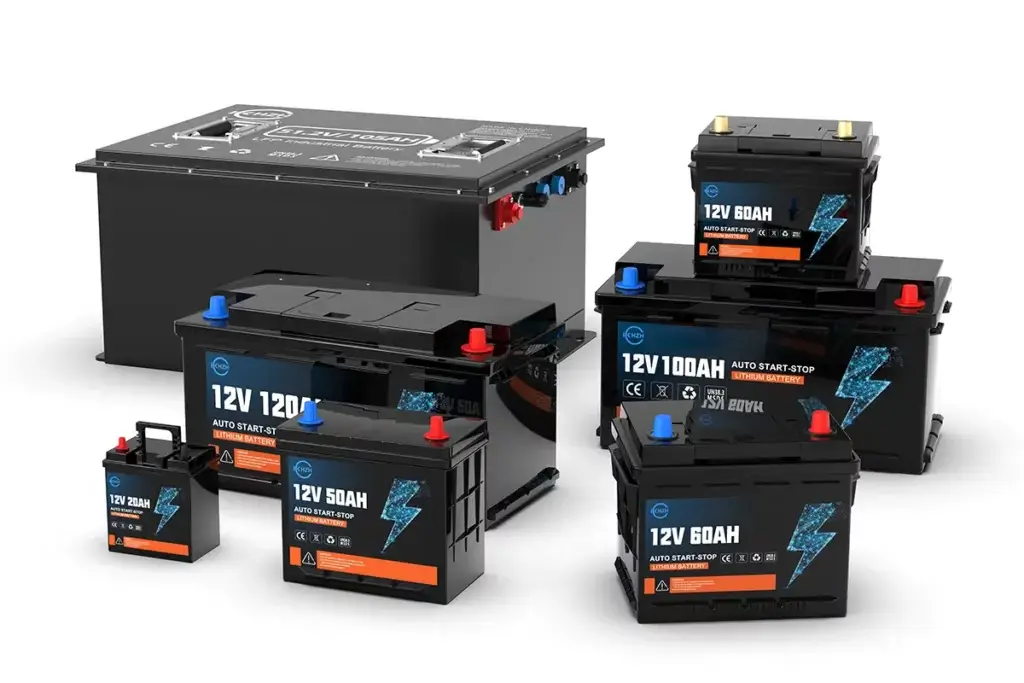
Hello everyone! I’m Jack Xing, with 13 years of experience in lithium battery assembly. Over the years, I’ve assembled and repaired thousands of batteries. Many questions about why lithium iron phosphate (LiFePO4) batteries lose efficiency in winter. Do you need to replace them to solve the problem? Don’t Worry! There are strategies to optimize performance in cold weather. With the right precautions, you can ensure your batteries perform well even in harsh conditions. Let’s get started!
Impact of Cold Weather on Lithium Batteries

1. Decreased Capacity
Low temperatures make the electrolyte thicker, slowing down the movement of lithium ions. This results in fewer ions available for discharge, reducing the battery’s capacity.
2. Reduced Discharge Platform
Cold weather lowers the battery’s output voltage. Under the same charge, the battery will provide less voltage than at normal temperatures.
3. Slower Charging Speed
Charging slows down in colder conditions. Lithium ions move slower between the positive and negative electrodes, extending charging times.
Charging can take up to 30% longer in cold weather compared to warm conditions.
4. Increased Risk of Lithium Plating
Cold temperatures can cause lithium ions to build up on the negative electrode instead of embedding properly, creating lithium plating.
This can reduce capacity and cause internal short circuits, leading to safety risks.
Best Practices for Optimizing Lithium Battery Performance in Cold Climates
According to our industry experience, Lithium iron phosphate batteries at – 20 ℃, lithium ion movement will slow down by more than 50%, the internal resistance will be increased by three times, the lithium ion will not be able to move, the lithium ion will not be able to move. So is there any measures we can take to mitigate the effects.
1. Insulation and Heating
One of the best ways to protect lithium batteries is by using a PTC heating plate attached to the side of the battery pack. Be sure to avoid the battery’s vent valve. Use thermal conductive silicone to secure the heating sheet, and set the temperature control switch to activate at 15°C and shut off at 35°C. The negative and positive terminals of the protection board should be connected to supply power using the battery’s remaining energy.
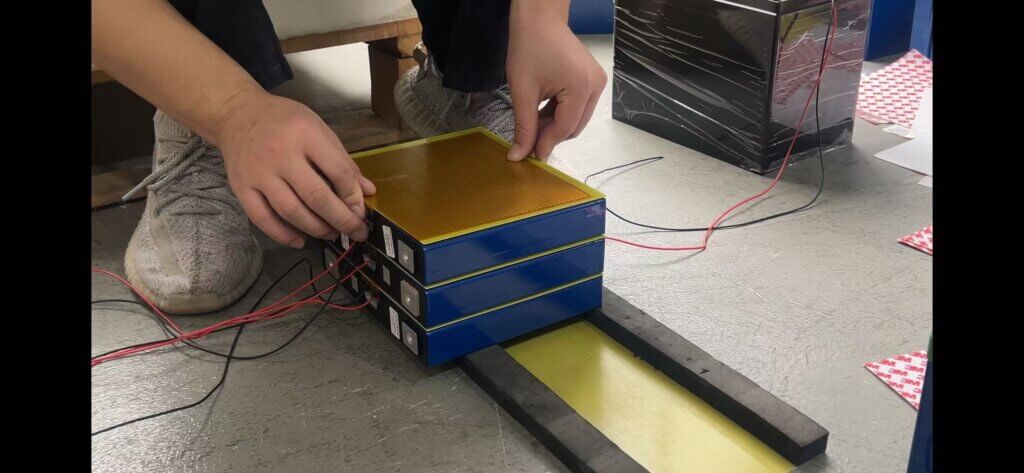
Principle: When the PTC heating plate encounters cold temperatures, its resistance decreases, and it automatically generates heat. As the temperature increases, its resistance rises again, preventing overheating. In practice, at -20°C, this can maintain the battery temperature between 10-15°C, improving endurance by up to 30%.

Tips: You can also add insulation materials. Insulation helps maintain a stable temperature for the battery, just like wearing a coat in cold weather. According to our test data, lithium batteries wrapped in EVA foam at -20°C can maintain a temperature above -5°C, which is 8-10°C higher than unwrapped batteries, and the battery’s endurance improves by 20%.
2. Charging Methods in Cold Weather
Charging lithium batteries in cold weather is different from charging in warm conditions. It’s important to slow down the charging speed, as low temperatures slow down the charging process, and charging too quickly can damage the battery.
Tip: Charging quickly in low temperatures is like pouring hot water into a cold cup—it’s not effective and could even damage the battery.
Recommendation: Preheat the battery before charging:
Method 1: Use a hairdryer (on the cool setting) to blow air into the battery compartment for 2 minutes, raising the temperature to above 5°C before charging.
Method 2: Purchase a charger with a preheating function (with an additional cost of 30 RMB) and preheat the battery for 10 minutes at a 0.1C current before charging.
3. Keep an Eye on Your Battery with Temperature Sensors
Monitor your battery’s temperature with temperature sensors. These devices track the battery’s condition in real time, helping you avoid damage.
Tip: Set up alerts for extreme temperatures. These alerts let you know if your battery is getting too hot or too cold.
Maintenance Tips for Lithium Batteries in Cold Climates

Regular Battery Maintenance and Inspections
Check battery terminals, cables, and connections for signs of corrosion. Clean regularly to prevent issues.
Also, clean the storage area to prevent moisture and ice buildup, which can cause long-term damage.
Charging Precautions: Charge Smart in the Cold
Charge in a warmer space. Avoid freezing temperatures, which slow down charging and can damage the battery. Let your device warm up for 30 minutes before charging if it’s been in the cold.
Avoid overcharging. Unplug the charger once it’s fully charged to avoid degrading battery life.
Pre-charge with low current in very cold conditions for 5-10 minutes to raise the battery temperature safely.
Battery Usage Tips
Avoid deep discharge. Charge when the battery reaches 20-30% to keep it in good condition.
Keep devices warm. Use insulated covers or warming bags for outdoor devices. Make sure they’re breathable to prevent overheating.
Drive smoothly. For electric vehicles, avoid sudden movements. Just like in a car, smooth driving saves energy.
Battery Storage Tips: Proper Care When Not in Use
Charge to 50-60% before storing your battery. This helps prevent deterioration.
Charge periodically. For long-term storage, charge the battery every month to maintain its health.
Store in a cool, dry place. Keep the battery away from extreme temperatures, heat sources, or flammable materials.
Future Directions for lithium battery in low temperature
New Electrolytes: A Cool Solution for Cold Weather
One problem lithium batteries face in the cold is with the electrolyte. In cold weather, the liquid inside thickens, slowing the battery’s performance.
Example: Think about trying to drink thick syrup through a straw—it’s slow. That’s what happens to the electrolyte in cold temperatures. But new electrolytes are being developed to stay thin and efficient, even in the cold. This could make the battery run smoother and last longer.
Solid-State Batteries: The Future of Cold Weather Performance

Solid-state batteries use solid electrolytes instead of liquid ones. This makes them more stable and efficient, especially in cold weather.
Statistic: Solid-state batteries can perform well at temperatures as low as -40°C and can improve energy density by 50%.
These batteries are a game-changer for cold environments. They offer better performance and a longer lifespan in freezing conditions.
Structural Improvements: Keeping Batteries Warm
Batteries need warmth to function well in the cold. Structural changes to the design can help.
Adding insulation layers or improving the casing can help retain heat. It’s like how insulation in your home keeps the warmth inside.
These changes can make the battery more efficient and reliable, even in freezing temperatures.
Exploring Alternatives: Beyond Lithium
While lithium is the main choice, alternatives like sodium-ion batteries are being explored. They are cheaper and perform better in the cold.
Example: Lithium is like a sports car—fast but expensive. Sodium is more like a reliable sedan. Sodium-ion batteries might not be as flashy but could be the perfect choice for cold climates.
Sodium-ion technology is still developing, but it could be a more cost-effective option in the future.
Conclusion
Optimizing lithium battery performance in cold climates is crucial for ensuring the reliability and longevity of solar storage systems. To achieve this, it’s important to insulating batteries, using effective heating systems, and applying smart energy management strategies. These steps help ensure that your batteries operate efficiently throughout the year. If you’re looking to keep your solar storage systems running smoothly this winter, contact with us, we can offer you the solutions!