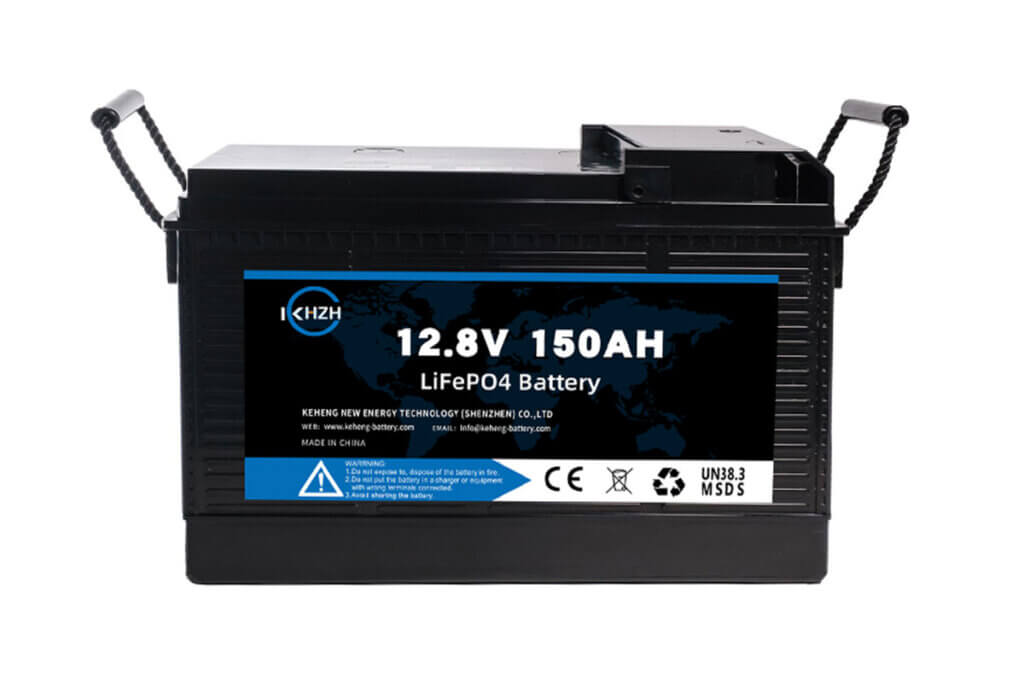



Reliable Customized Deep Cycle Battery Manufacturer

Tailored Lithium Battery Solutions:
Top 5 Customizations for Unique Needs

For 15 years, Keheng has got your back with customizable, dependable, long-lasting lithium ion batteries.
Custom lithium battery

Battery Shape Customization

We also customize lithium-ion batteries in unique sizes and shapes, beyond standard 18650 and 21700 models.

Capacity-Based Customization

Custom battery capacity is calculated based on product power needs.

Magnification-Based Customization

We customize to fulfill products like e-cigs,and electric supercars need batteries that support high-rate charging and discharging for fast charge and high power.

Temperature Customization

Lithium batteries perform best at 25°C, but Keheng’s specialized low-temp solutions work down to -55°C for certain industry needs.

Voltage-Based Customization

Keheng teams up with 20+ years experienced engineers, adopts 4.35V LiHv batteries for superior energy and longevity.

Explore Durability: Our Existing 12V-48V
Deep Cycle Battery Range

Keheng offers durable, efficient 12V-48V deep cycle batteries for various applications.
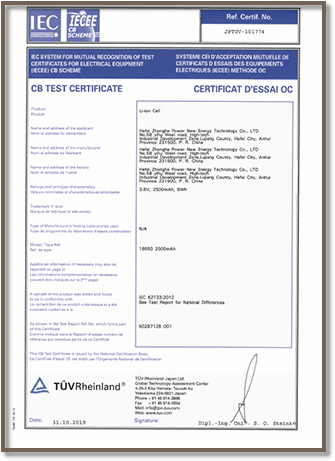
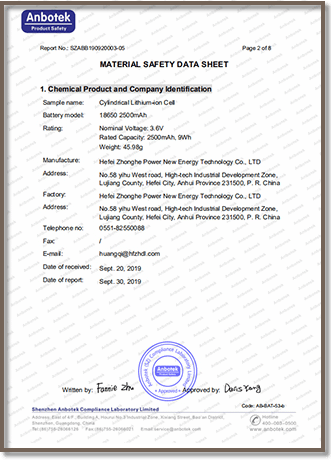
They are certified by IEC, MSDS, UN38.3, CE and UKCA.

Categorized By Voltage​

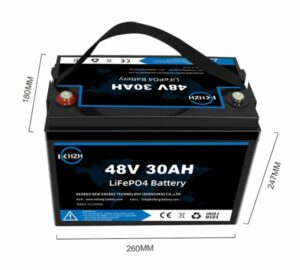
Suitable for automobiles, RVs, small solar systems, etc. Capacity includes 5ah, 10ah, 12ah, 50ah, 100ah, 120ah, 460ah for you to choose.

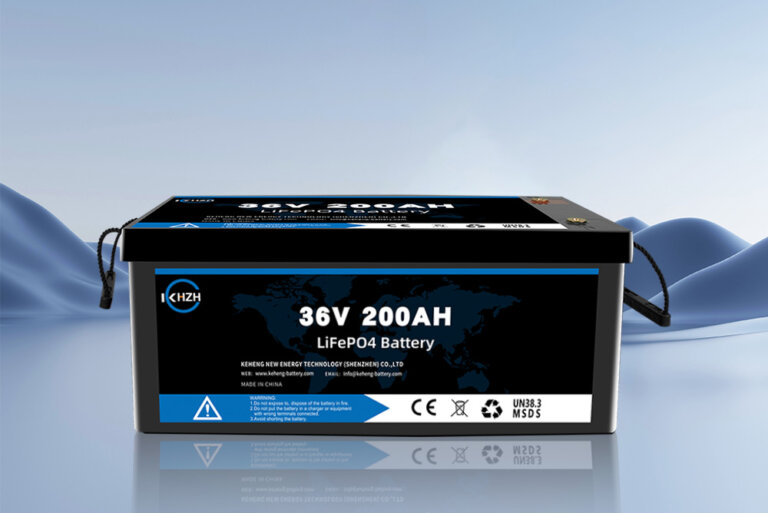
Often used in larger solar systems, industrial applications, etc. Capacity includes 30ah, 50ah, 100ah, 200ah, 300ah for you to choose.

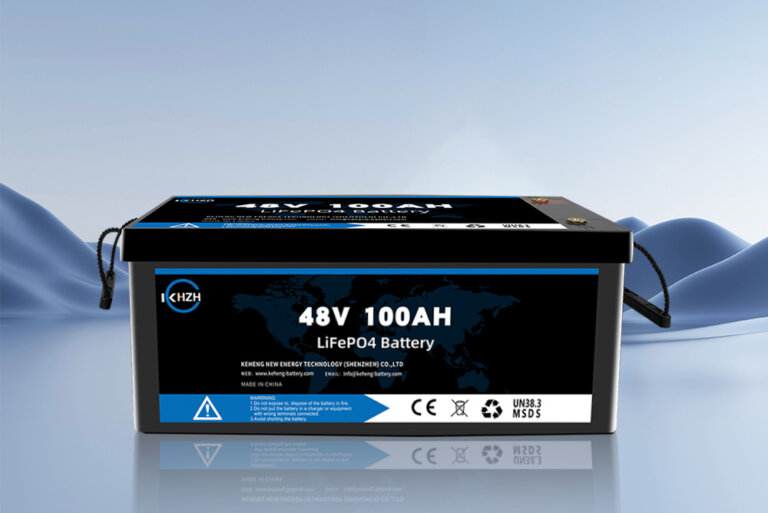
Suitable for some specific industrial and high-end electronic equipment. Capacity includes 30ah, 50ah, 100ah, 200ah for you to choose.

Suitable for large-scale solar systems, electric vehicles, etc. Capacity includes 30ah, 50ah, 100ah, 200ah for you to choose.

Categorized by function

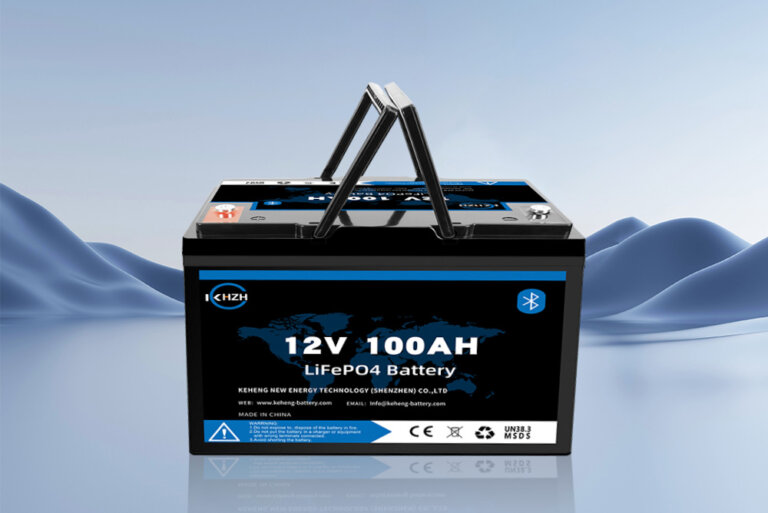
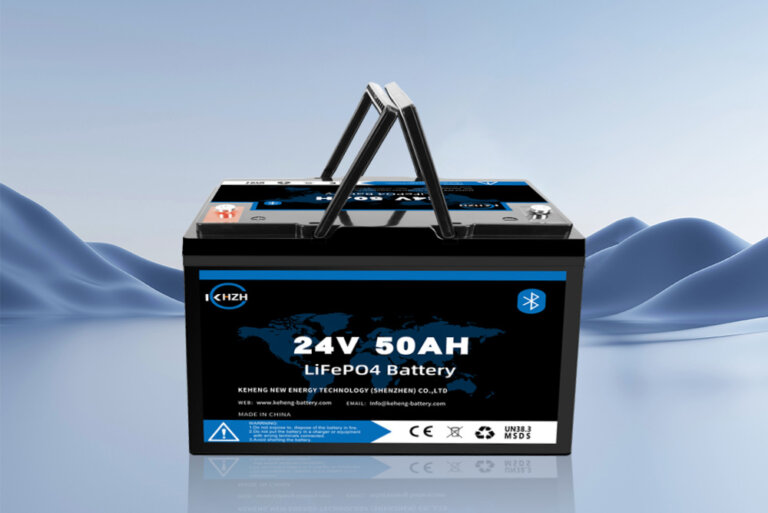
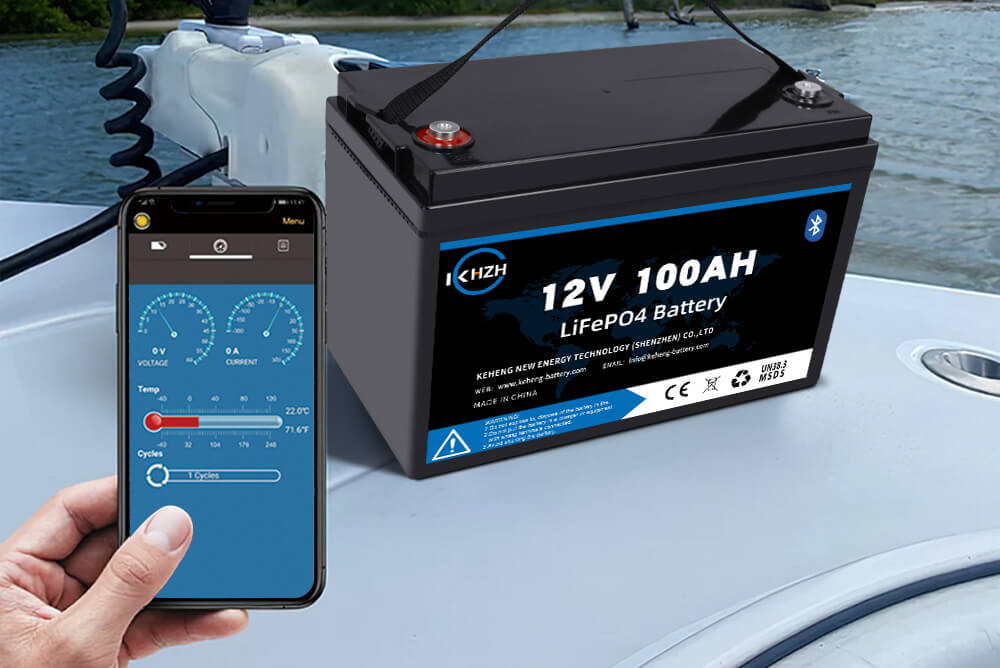
Keheng Bluetooth Batteries

Bluetooth batteries

Suitable Voltage: A variety of voltage specifications are available, but 12V is the most common because it is widely used in consumer and commercial markets such as RV, marine, automotive, etc.

Main Features: Bluetooth-enabled battery for remote status monitoring via smartphones, covering battery life, voltage, and temperature.

Advantages: Offers greater convenience and intelligent management, helping users effectively monitor and maintain their battery.

CAN communication batteries

Suitable Voltage: Typically 12V and 24V, as these batteries are commonly used in systems that require complex communication and control, such as electric vehicles, large energy storage systems.

Main Features: Utilizes the Controller Area Network (CAN)  protocol for advanced communication with devices like BMS for enhanced interaction.

Advantages: Ensures efficient and precise battery performance management, especially suitable for complex power systems.

Keheng deep cycle Batteries with CAN
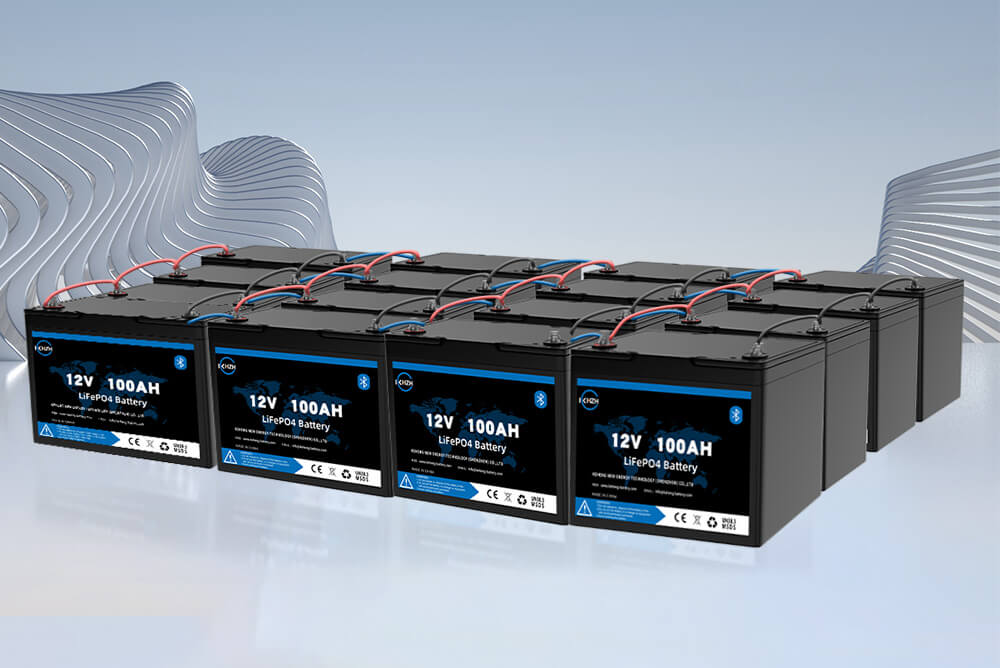
Keheng battery in Series and Parallel connection

Series/parallel batteries

Suitable Voltage: These batteries are designed to be flexible and can accommodate a wide range of voltage needs, from 12V to 48V, depending on the specific application needs.

Main Features: Designed with flexibility, it can adjust total voltage and current through series or parallel connections to meet specific energy needs.

Advantages: Offers high configurational flexibility, allowing the battery system to be customized and expanded according to needs.

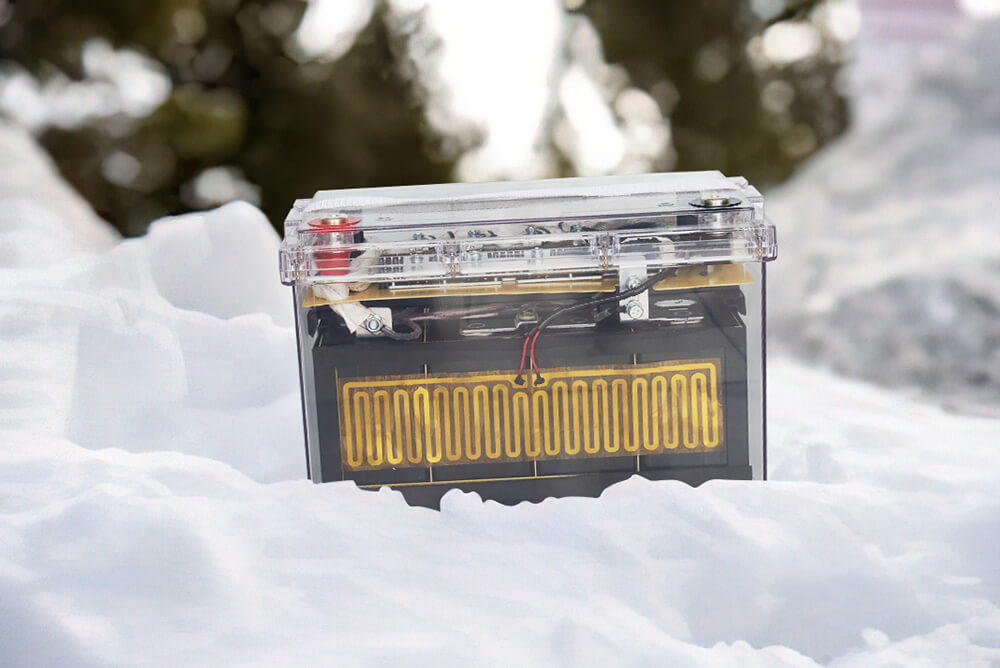
Cold weather batteries

Suitable Voltage: 12V is the most common, as they are often used in vehicles, outdoor equipment, and small energy systems, where 12V batteries are very common.

Main Features: Specially designed to maintain performance in low-temperature environments, , offering superior cold start and charge retention in cold conditions.

Advantages: Reliably provides power in cold conditions, making it perfect for winter or polar regions.

keheng Cold Weather Batteries

Categorized by Appearance

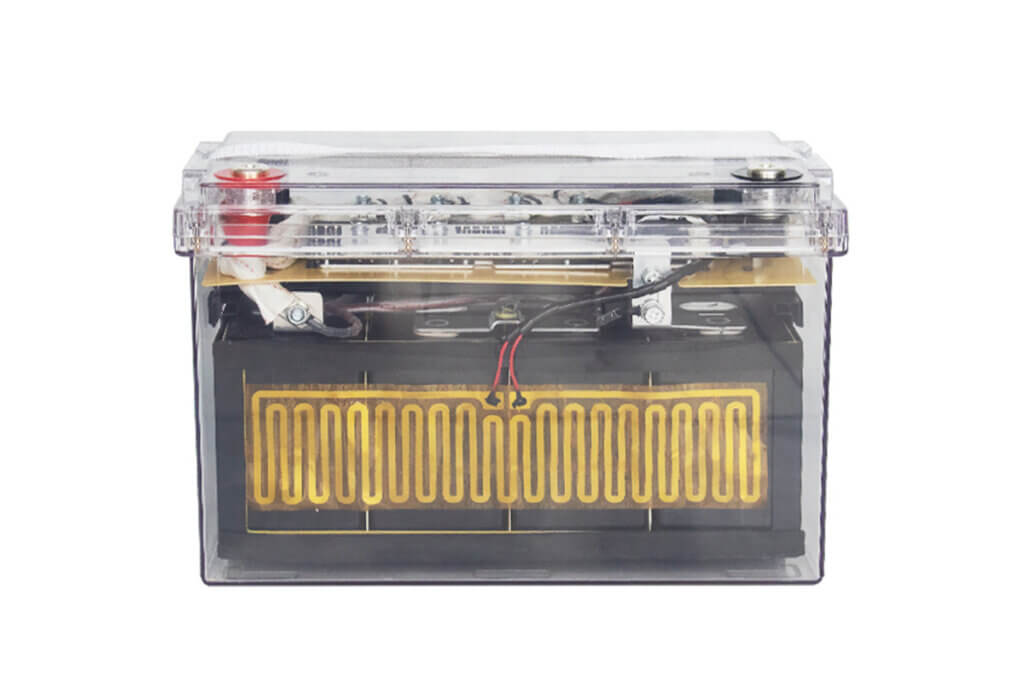
FeaturesThese compact, low-profile batteries are ideal for tight spaces, easy to install and carry, and are lightweight.
AdvantagesThe clear casing simplifies maintenance and allows easy status checks, ideal for solar and backup power systems.
ApplicationsPerfect for situations needing visual battery checks, like in education, labs, or certain industrial uses.
FeaturesCompact and low-profile, these batteries fit tight spaces, are lightweight, and easy to install and transport.
AdvantagesSlim batteries are ideal for tight spaces or mobile applications, offering flexibility and convenience.
ApplicationsIdeal for small electronic devices, portable energy systems, compact solar applications, or anywhere space is limited.
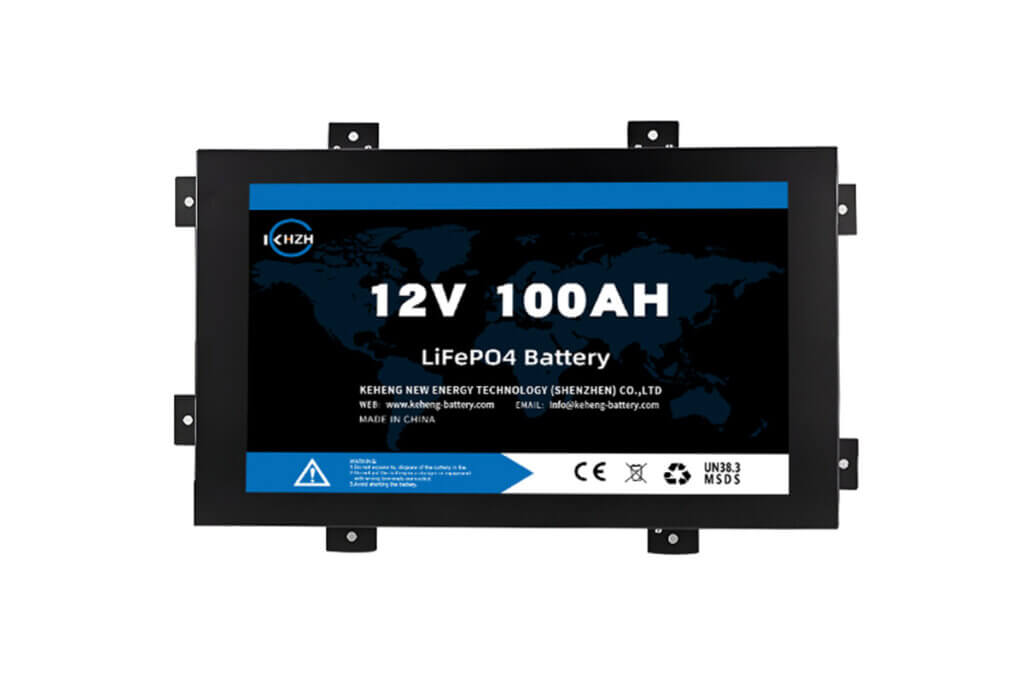
Front End Terminal Block Battery

Front-end terminal block battery

FeaturesFront terminal batteries have easier wiring for tight or stacked setups, with terminals conveniently located at the front of battery.
AdvantagesEase of maintenance and wiring, especially if the batteries are closely packed or difficult to access from the top.
ApplicationsMainly used in data centers, telecom equipment, commercial UPS (uninterruptible power supply) systems, and any scenario that requires battery arrays.

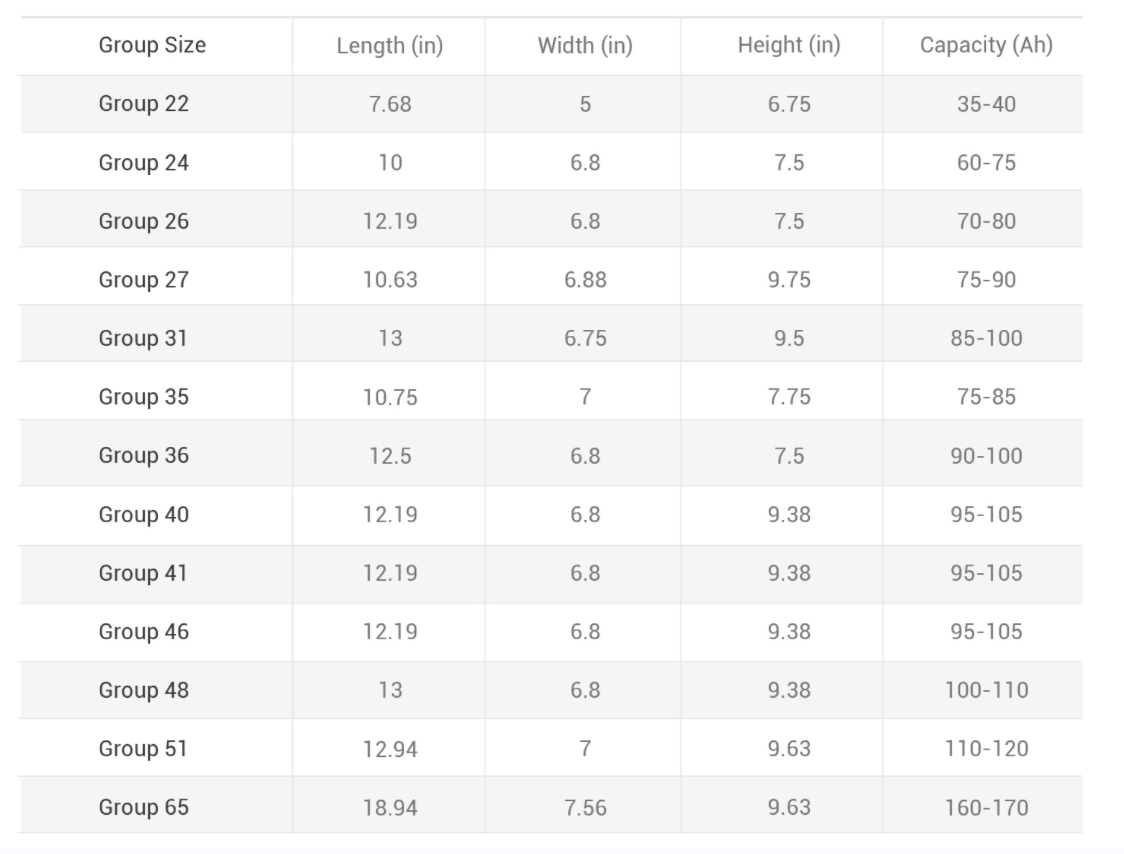
Categorized by BCI Group Size

When it comes to choosing the appropriate vehicle make and model, the size of the battery pack, including its dimensions and terminal placement, is essential. The Battery Council International (BCI) is responsible for standardizing these sizes and testing batteries to ensure they comply with these standards.
This is a mid-size battery that is commonly used in passenger vehicles such as cars, vans, and small trucks. It has a length of about 10 inches, a width of about 6.8 inches, and a height of about 7.5inches. It has a capacity of around 60-75 Ah.
BCI group size 27 batteries in the deep cycle battery pack are largepowerful batteries. These batteries have a capacity of between 66-110amps. This provides nearly 600-1000 CCA and 140-220 minutes of charging support.
Group 31 is a very popular commercial truck battery size that fits in many applications. This Duracell commercial battery measures 13 inches long, 6.75 inches wide, and 9.5 inches high. 

Why Choose Keheng As Your
China Lithium ion Battery Manufacturer?

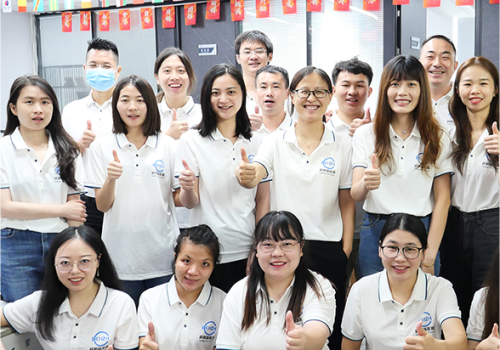
Keheng offers custom, eco-friendly, high-quality lithium battery solutions
with advanced BMS, unique design options, all backed by our commitment to your satisfaction.
Years Experience
15
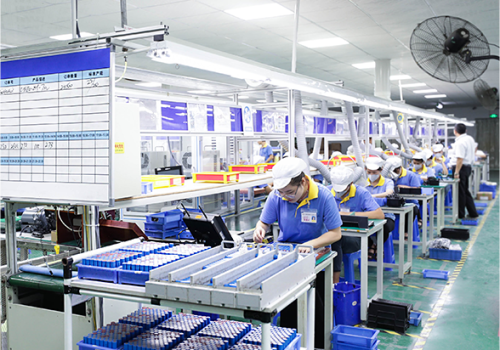
M2 Modern Factory
62000
Countries Exporting
120 +
Happy Clients
300 +
Deep-cycle battery manufacturers offer a variety of specifications of products

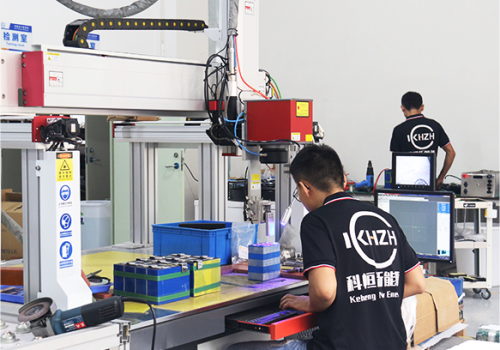
Keheng Battery is a full-chain provider of deep-cycle lithium solutions. We deliver high-performance batteries and custom packs for golf, marine, RV, and solar brands. Our products use Grade A cells, smart BMS, and modular design. Certified to IEC, UN38.3, and CE standards, they offer long life, high power, and safety. Our OEM/ODM services help partners create unique solutions, speed up launch times, cut costs, and boost brand strength.

Get Custom Lithium ion Battery Solutions in Keheng

  • Custom BMS: Crafted to fit your unique needs.
  • Deliver OEM services based on standard modules.
  • Customized Battery with Prismatic Cells Military Grade A Cells.
  • Create your own custom battery case.
  • Personalize your unique LOGO & package box.
factory audit
Wholesale at Competitive Prices

Feel the Excellence in Technical Innovation with Keheng

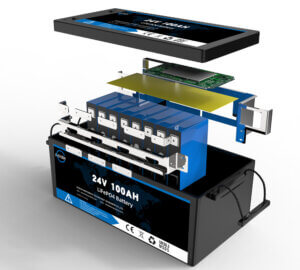
  • 8 Feature-Packed Smart BMS Protection Board, robust energy balancing.
  • Bluetooth & Heating Function.
  • Reliable Cold Protection: Safe in low temperatures.
  • Each cell has an independent device to prevent firing.
  • Eco-friendly, promoting environmental conservation, pollutant-free.

Quality is at your fingertip

  • Keheng choose li-ion battery cells from renowned brands like CATL, EVE, REPT, BYD, Gotion, Lishen, and etc.
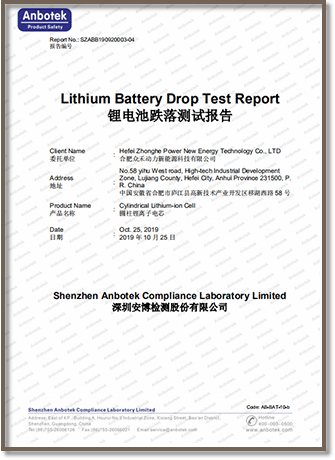
  • Our batteries go through multiple tests, including charge, capacity, and temperature checks and etc.
  • 5 cells selection processes to ensure high consistency of cells parameters, guaranteeing longevity with over 3,000 cycles at 80% SOC.
Lithium Deep Cycle Battery
Manufacturer in China

Excellence After-sale Services

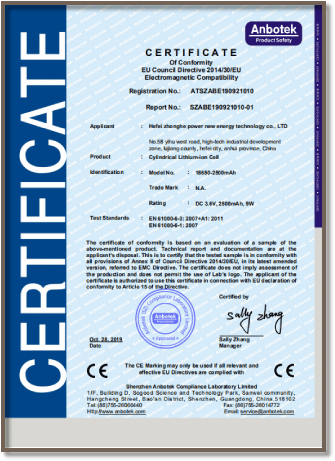
  • Our batteries come with complete certifications (MSDS, UN38.3, CE, UL, etc.), guarantee hassle-free delivery.
  • For battery issues, contact us with videos/photos; we’ll replace if >0.3% fail, free of charge.

Lithium Ion Deep Cycle Battery in Various Applications

Deep Cycle Battery Manufacturer:
Get 100+ Ready Certifications And Credentials

No matter which country you plan to sell lithium-ion batteries in, rest assured that we’ve got your back. Leave the concerns about market import restrictions or compliance issues to us.

FAQs About Deep Cycle Battery

How to charge a deep cycle battery?
Proper charging is not just about filling the battery—it’s about extending its service life. It’s best to use a dedicated lithium battery charger to avoid overcharging and over-discharging. Before charging, ensure the battery’s remaining capacity is between 20% and 80% for optimal charging timing. Also, pay attention to temperature: 0–45°C is the ideal range for charging. Charging at low temperatures is inefficient and can easily damage the cells, while charging at high temperatures accelerates aging and reduces cycle life.
The biggest difference between them lies in their completely different “modes of operation.”
A starting battery is like a sprinter. It excels at delivering an instant burst of high current to crank a vehicle’s or boat’s engine to life, but it is not designed for repeated, deep discharges.
A deep cycle battery, on the other hand, is more like a marathon runner. It’s built to consistently power devices like vehicle lighting, marine electronics, or any other equipment used over long periods.
In short, deep-cycle batteries are an ideal choice for any scenario that requires deep cycling, repeated discharging, or a long-term stable power supply.
Application FieldsTypical Uses
RV (Recreational Vehicle)Lighting, appliances, refrigerator, air conditioning
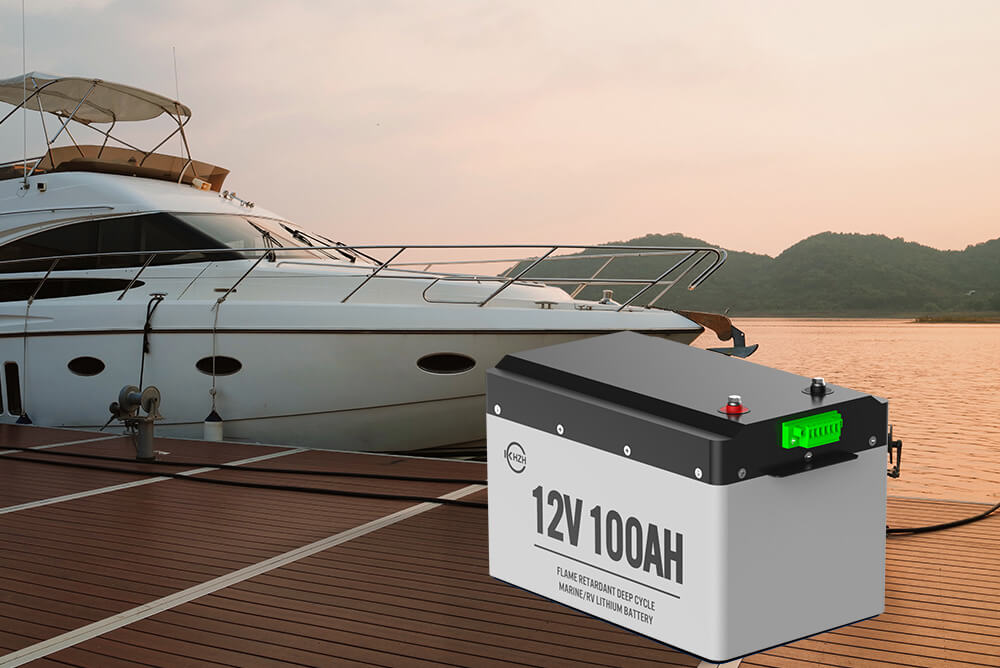
MarineCabin equipment, navigation systems, electric steering, and fishing gear
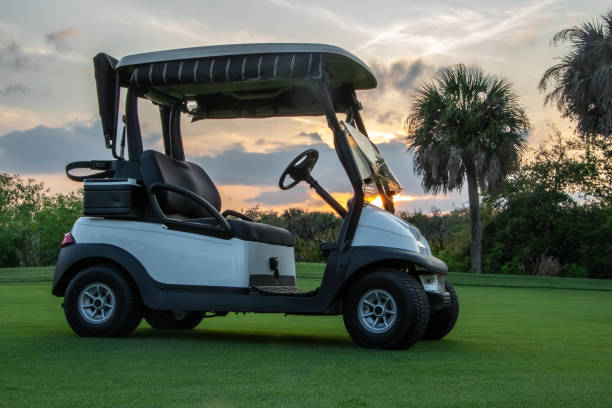
Golf CartMotor drive, frequent start-stop
Solar Energy StorageStores solar energy for use at night or on cloudy days
Industrial EquipmentAGV, inspection robots, mobile instruments, backup power
Communication & Emergency PowerBase stations, UPS, and fire emergency systems
Outdoor & CampingField lighting, portable refrigerators, and electric stoves
Home Backup PowerLighting and appliances during off-grid or power outage situations
A dual-purpose battery can provide the cranking current needed to start a boat’s or RV’s engine quickly. It can also handle the short-trip power needs of small boats or RVs.
A deep-cycle battery, however, is specifically designed for applications requiring long, stable power output. This includes RV house systems, onboard vessel loads, golf carts, and solar energy storage systems.
It’s important to note that while a dual-purpose battery can perform both starting and deep-cycle functions, it is not the top performer in either category.
Common voltages include:
Voltage LevelApplication Scenarios
12VSmall off-grid systems, portable energy storage, RVs, or small boats
24VMedium-sized energy storage systems, household off-grid systems
48VLarge residential energy storage or micro off-grid power stations
Other high voltages (72V, 96V, etc.)Commercial or industrial energy storage
In brief, small-scale solar energy storage systems typically use 12V, but as power demands increase, most household and industrial systems adopt 24V or 48V to improve efficiency and extend battery life. However, we recommend customizing voltage parameters for your equipment based on specific scenarios. You can contact us for tailored solutions.
How long do deep cycle batteries last?
Typically, AGM or Gel lead-acid batteries offer about 300–800 cycles. In contrast, a high-quality LiFePO₄ deep-cycle battery can achieve 6,000–8,000 cycles, often lasting 8 years or more in normal use. However, you should note that frequent deep discharge, prolonged operation at high temperatures, or using an incompatible charger can significantly shorten its lifespan.
Deep-cycle lithium batteries feature a maintenance-free design; however, proper care can still help extend their lifespan. We recommend checking the connections periodically and using the BMS to monitor the battery’s status. Checking every six months is good practice. Avoid leaving the battery with its charge level too low or too high for extended periods.
AdvantagesEffects
High Energy DensityProvides more effective capacity under the same volume, ensuring the range is not compromised
Weight Reduction DesignSignificantly reduces overall battery weight, facilitating installation and handling while reducing overall machine load
Enhanced Environmental AdaptabilityLightweight housing while maintaining anti-vibration, moisture-proof, and high-temperature resistance design
Flexible Combination CapabilityCompact size and modular design support parallel connection and capacity expansion, adapting to different space and capacity requirements
In summary, lightweight deep-cycle batteries not only reduce weight but also offer comprehensive improvements in energy density, environmental resilience, and installation flexibility. They are especially suitable for weight-sensitive, space-constrained applications that demand highly reliable power.
Batteries naturally self-discharge, meaning they gradually lose charge even when not in use. Of course, lithium batteries have a lower self-discharge rate (about 2% per month).
  • Keep at Moderate Charge Level: Before storage, charge the battery to 50%–70%, allowing it to remain relaxed.
  • Control Temperature: The ideal storage environment is between 10–25°C, which is a comfortable range for lithium batteries.
  • Dry and Ventilated: Store in a dry, well-ventilated place, avoiding damp or salty environments, so the battery can “rest” peacefully.
  • Regular Check-ups: If not used for a long time, check the charge level every 3–6 months and recharge moderately if necessary.
  • Avoid Pressure and Vibration: Do not place heavy objects on the battery or expose it to prolonged shaking, as this may damage its internal structure.
Choosing a deep-cycle battery isn’t just about price. You must match the battery to your equipment’s needs and usage scenario. Focus on these key parameters:
  • Voltage & Capacity (Ah): The battery voltage must fit your system (e.g., 12V, 24V). The capacity determines runtime. Batteries with a modular design are a good choice—you can add capacity as your needs grow.
  • Cycle Life: High-quality lithium batteries can last for 3,000–6,000 cycles. This means a single battery could last the entire lifespan of your equipment.
  • Discharge Rate (C-rate / Max Current): Consider the high-current demands of your application. This includes starting a marine engine, climbing hills in a golf cart, or powering high-wattage appliances like a microwave or air conditioner.
  • Safety & Protection (BMS & Certifications): A deep-cycle lithium battery without a good management system can fail early. It’s at risk from overcharge, over-discharge, overcurrent, or temperature issues. I recommend choosing a battery with a high-performance BMS (Battery Management System). It monitors the battery in real-time, automatically manages charging and discharging, and prevents abnormal conditions.
  • Size & Weight: Consider your installation space and the weight capacity of mobile equipment. Even the best-performing battery is useless if it doesn’t fit. Lightweight batteries are especially valuable for RVs and boats, improving both range and payload.
  • Operating Temperature Range: I suggest selecting a battery model that works reliably from -10°C to 50°C or wider. In very hot or cold conditions, use appropriate cooling or insulation. This ensures your equipment operates stably in any environment.

Ready To Try Excellent deep cycle battery wholesale With Keheng?

Get in touch with us. Connect with Keheng and start a long term comfortable Deep Cycle battery Procument Working.

Scroll to Top

request a quote

request a quote

You will get the reply within 24 hours.