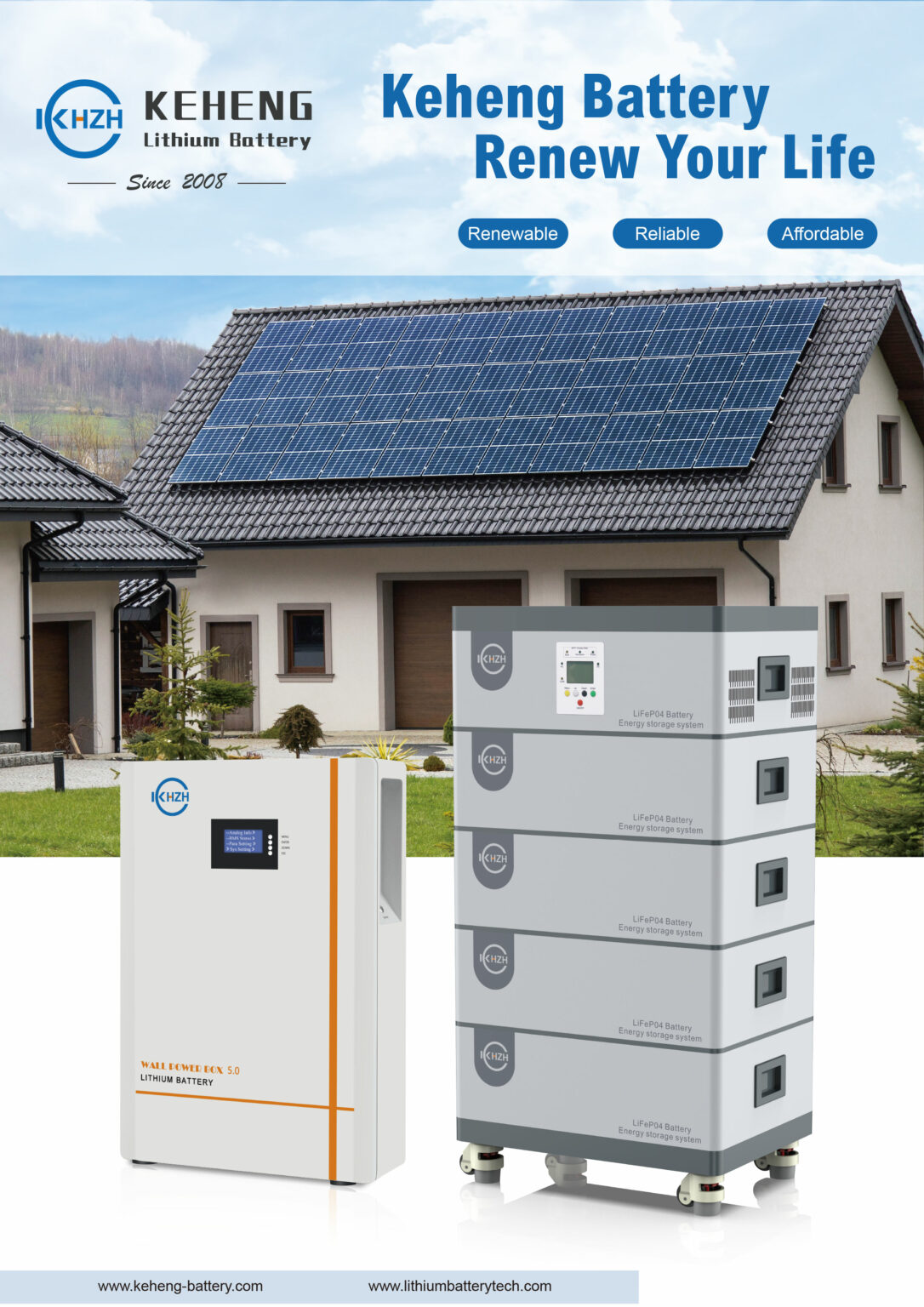
24V Lithium Battery
We offer a full range of 24v lithium battery products and customizable battery packs to meet the diverse needs of original equipment manufacturers (OEMs), system integrators, and engineering contractors.
Long-cycle life Lithium batteryGlobal B2B supply chain supportFactory direct sales
Product categories
- ESS (32)
- Power Battery (13)
- DEEP CYCLE BATTERIES (86)
- LiFePO4 Battery (75)
- 12V Lithium Batteries (36)
- 24V Lithium Battery (15)
- 36V Lithium Battery (2)
- 48V Lithium Battery (14)
 24V Lithium Battery
Custom 24V 200Ah RV Lithium Battery – Keheng Caravan Lifepo4 batetry
- Product Model:KH-LFP24200
- Voltage: 25.6V
- Capacity: 200Ah
- Material: Lifepo4
- Type: 24V RV Lithium Battery
- Product Description: RV Lithium Battery
 24V Lithium Battery
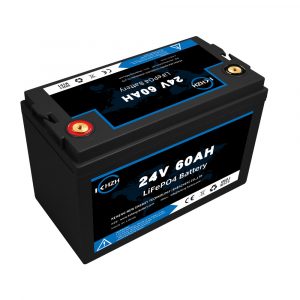
24v 60Ah Lithium Drop-ln Replacement Battery
- Product Model:KH-LFP2460
- Capacity: 60Ah
- Voltage: 24V
- Material: Lifepo4
- Type: 24V Drop-ln Replacement Battery
- Product Name: E-bike Battery, E-scooter Battery
 24V Lithium Battery
24V Custom Lithium Battery Without Battery Case
- Product Model:KH-LFPcustom
- Voltage: 25.6V
- Capacity: Custom
- Material: Lifepo4
- Type: Custom 24V Li-ion battery
- Product Description: Lifepo4 Battery
 24V Lithium Battery
24V 7.5Ah Electric Scooter Battery
- Product Model:KH-LFP248
- Capacity: 7.5Ah
- Voltage: 24V
- Material: Lifepo4
- Type: 24V Li-ion battery with scooter
- Product Name: E-bike Battery, E-scooter Battery
- 24V Lithium Battery
24V 60Ah Outdoor Battery With Inverter
- Product Model:KH-LFP24600
- Voltage: 25.6V
- Capacity: 60Ah
- Material: Lifepo4
- Type: 24V Li-ion battery with inverter
- Product Description: Outdoor Lifepo4 Battery
 24V Lithium Battery
24V 18650 Lithium Battery With Waterproof Case
Product Code: KH-LFP24
Gropu Size:18650
Voltage:26V
Maximum Continuous Discharge Current:C
Product Description: 24V 18650 battery pack with waterproof case
The Most Trustworthy 24V Lithium Battery Manufacturer in China
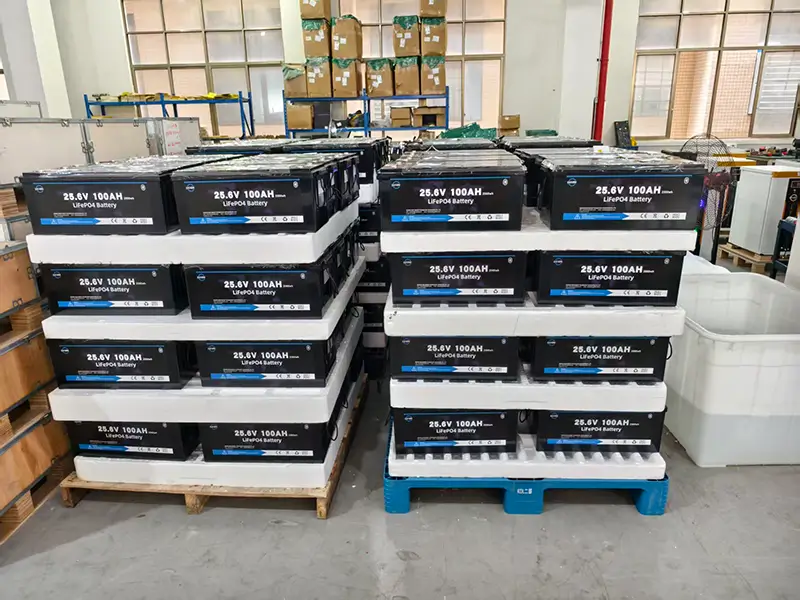
As a professional lithium battery manufacturer with 18+ years of R&D and production experience, Keheng delivers OEM/ODM customized 24V / 25.6V lithium battery energy storage solutions for system integrators, equipment OEMs, and distributors worldwide. Our 25.6V lithium batteries are engineered as true replacements for 24V lead-acid units, offering longer continuous operating hours, lighter weight, and stable performance for higher operational efficiency.
15+
Years Experience
40+
Global Certifications
80+
Countries Served
100%
Pre-shipment Inspection
What Makes Us Go Extra Mile
Factory Direct Price
Cut out the middleman. Work directly with our factory and save up to 30% on procurement cost.
Full Certifications
CE, UN38.3, MSDS, IEC62133, UL certified. Full compliance for global export with zero certification worries.
Fast Delivery
Overseas warehouse stock in Poland. Bulk orders dispatched within 3–5 business days to anywhere in Europe.
Smart BMS Built-in
Integrated smart BMS with overcharge, over-discharge and short-circuit protection. 6,000+ cycle lifespan.
What is a 24V Lithium Battery

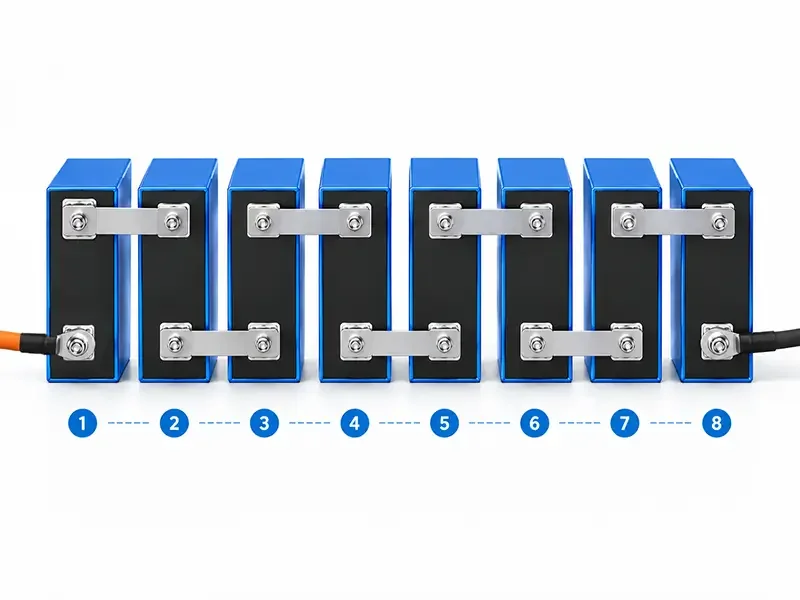
24 volt battery connection
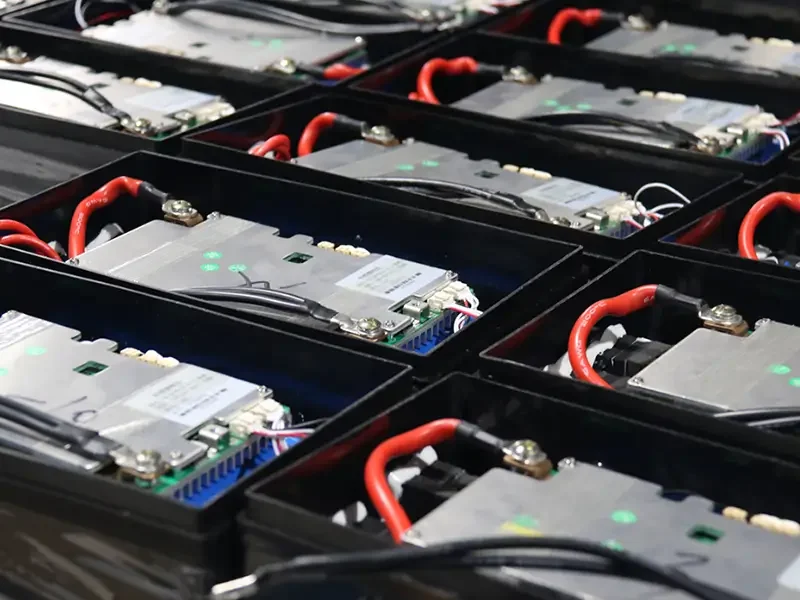
24V battery management system
Cell Balancing
Precise Voltage Protection
Tiered Current Protection
When a 24 volt inverter or other 24V systems power on, they generate a surge current several times the magnitude of the continuous current. A high-performance BMS protects cells from damage caused by high-current surges.
Protection thresholds can also be customized to match equipment operating conditions, with three tiered current protection levels: continuous discharge, peak discharge, and short circuit.
Condition-Adapted Temperature Protection
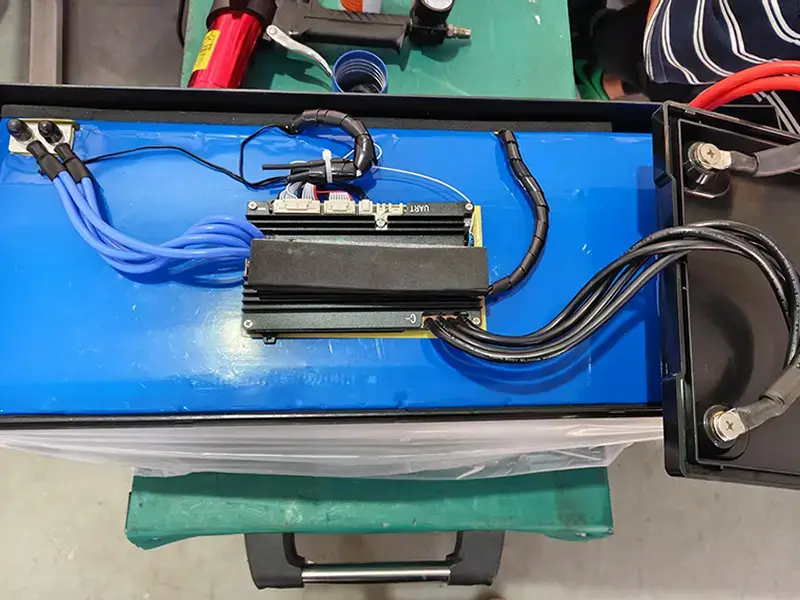
By monitoring temperatures of the cells, MOSFETs, and ambient environment, the BMS adjusts battery output power in real time to prevent lithium plating during low-temperature charging and high-temperature induced thermal runaway.
An intelligent BMS can integrate low-temperature heating and high-temperature cooling functions, maintaining an optimal internal temperature range of 15°C to 25°C for the battery pack across ambient temperatures from -20°C to 60°C.
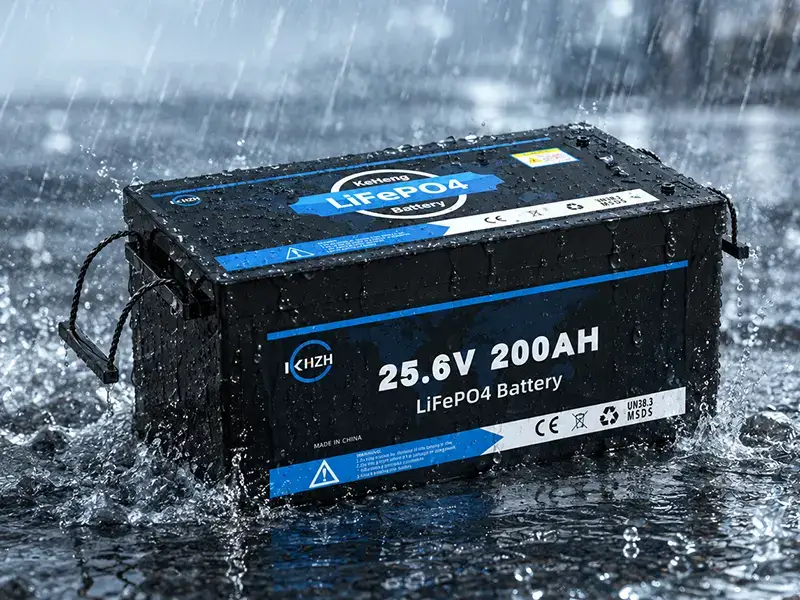
Industrial-Grade Protection Design
Dual-Material Housing Options
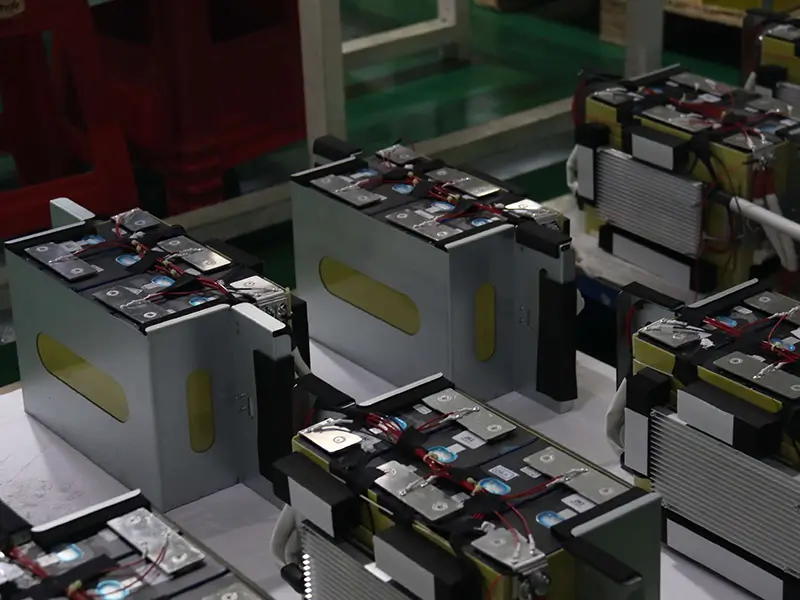
Multi-Layer Anti-Vibration Structure
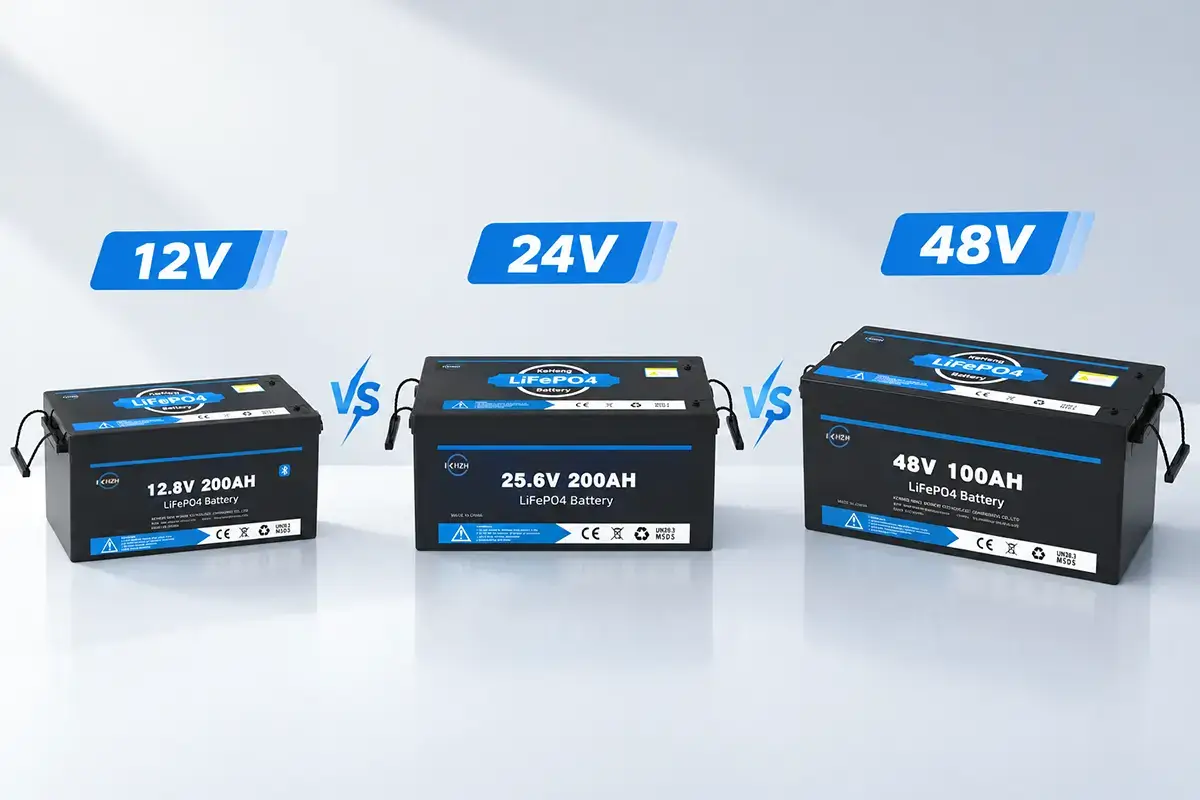
12v vs 24v vs 48v battery: What Are the Differences?
Voltage is the core foundational parameter of a power supply system, as it directly dictates the system’s load capacity, overall efficiency, and build cost. Therefore, voltage selection must be considered upfront when designing a power supply system.
Operating Current and System Efficiency
When system power is fixed, higher voltage corresponds to lower current. According to Joule’s Law, heat loss follows the formula P = I²R, which means higher current usually leads to greater line loss.
Since 24V systems require lower current than 12V ones, cables generate less heat and suffer lower energy loss during equipment operation, resulting in higher overall system efficiency.
Cost of Cables and Electrical Components
While higher voltage improves efficiency, it also requires more sophisticated system design for safety protection, so you will spend more on hardware, including inverters, BMS, circuit breakers, and insulation components.
This means you should never blindly pursue high voltage when designing a voltage platform. It is necessary to comprehensively weigh multiple factors such as system efficiency, production cost, and actual usage requirements.
Series Connection and Usage Specifications
While higher voltage improves efficiency, it also requires more sophisticated system design for safety protection, so you will spend more on hardware, including inverters, BMS, circuit breakers, and insulation components.
This means you should never blindly pursue high voltage when designing a voltage platform. It is necessary to comprehensively weigh multiple factors such as system efficiency, production cost, and actual usage requirements.
Voltage Selection in Practical Applications
Choose based on your actual application scenarios. 12V vs 24V suit different use cases.
Small devices such as portable outdoor energy storage units and fish finder batteries mostly adopt a 12V power supply. 24 volt battery systems are used for medium-power scenarios, such as light-duty AGVs and small forklifts. The 48V platform is the most common choice for energy storage systems and is also used as power batteries for heavy-duty industrial equipment.
How to Choose the Best 24V Lithium Battery for Your Project
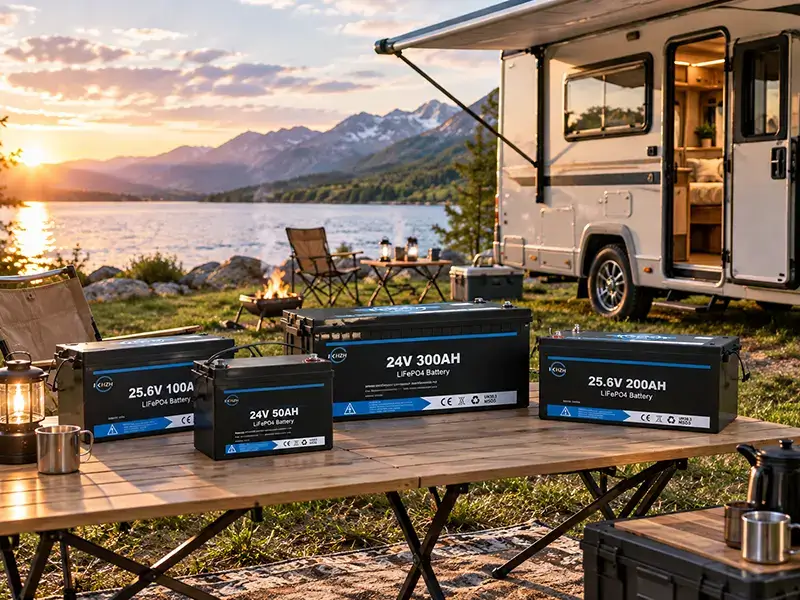
24V Lithium Battery Capacity / Ah | 24V Solar Battery | 24V Marine Battery | 24V RV System | 24V Industrial Battery |
|---|---|---|---|---|
24V 50Ah Battery | It is the most cost-effective choice for low-power application scenarios such as solar street lights and off-grid monitoring systems. Generally, this battery suitable for bulk-deployment engineering projects. | The 24v 50ah lithium ion battery features a compact footprint and light dead weight, making it a perfect fit for trolling motors on kayaks and fishing boats. It enjoys fast sales turnover in the current retail market and supports large-volume procurement. | This model is generally used as a portable power supply for camping, and is not typically adopted as a power source for RV appliances. You can market this product to RV camping enthusiasts, or position it as a supporting accessory for outdoor equipment. | For small AMR/AGV systems, such as latent AGVs and Kiva-type robots, the 50Ah model perfectly adapts to tight installation spaces and barely takes up the load capacity quota of the equipment. |
24V 100Ah Battery | The 24V 100Ah lithium battery is the most mainstream choice for solar power systems, commonly used in off-grid cabins, outdoor solar energy storage systems, backup PV power supplies, and other scenarios. It is the model with the strongest market demand, and also the one with the fiercest market competition. | It delivers longer runtime for marine thrusters and meets the basic power needs of small and medium-sized leisure yachts. It currently has robust and stable market demand, making it a regular stock item for marine supply stores. | 24V batteries generally require a DC-DC converter to achieve better compatibility with the original 12V system of RVs. The 100Ah model covers basic living needs including RV lighting, refrigerators, and low-power appliances, serving as the standard entry configuration for Class B RVs, but it cannot support the load of high-power equipment such as on-board air conditioners. | Among 24v truck battery products, the 100Ah specification is a common configuration in the aftermarket, capable of powering electronic devices in the cab sleeper compartment. Likewise, it is also an entry-level option for 24V electric pallet forklifts. |
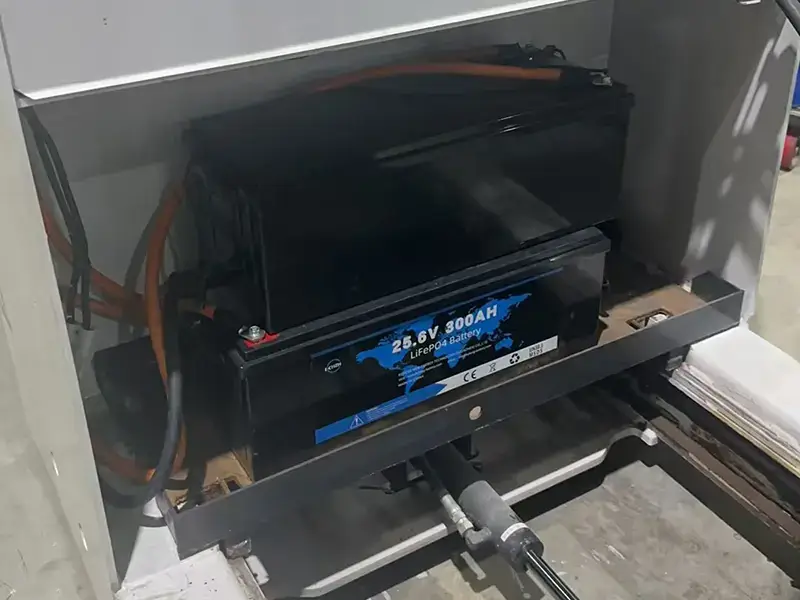
24V 200Ah Battery | It can meet the daily power needs of small households and serves as a basic building block for some energy storage systems. Like the 100Ah model, it is one of the most sought-after products in the current market. | The 24V 200Ah lithium battery can power marine on-board amenities including lighting, navigation systems, and refrigerators for several days. Please note that 24V voltage cannot support the propulsion power demand of medium and large vessels. | With a capacity of around 5kWh, it is an ideal choice for professional RV manufacturing or retrofitting, providing sufficient runtime for parking air conditioners, electric water heaters and induction cookers. The 24V LiFePO4 battery can cut the overall weight of an RV power system by 70%, making it the best fit for the current lightweight RV trend. | Among 24 volt forklift battery products, the 200Ah specification can cover single-shift operation needs for most equipment. It is a standard model widely used in material handling equipment manufacturing, and you can stock this specification in bulk. |
24V 300Ah Battery | This model targets high-capacity application demands and delivers considerable profit margins, but it is mostly adopted for customized projects, with lower market popularity than the 100Ah and 200Ah variants. | While it can deliver extended runtime for marine applications, it has a relatively high dead weight as a standalone 24V unit. For the same capacity level, a higher-voltage solution is generally recommended. | The 24V 300Ah lithium battery is typically used for extended off-grid living needs of medium and large RVs, and a single battery pack can basically cover 3–5 days of regular power consumption. In addition, you can launch bundled kits paired with 24V solar panels to provide customers with high-end full-scenario power solutions for RV travel. | This high-capacity specification can power the parking air conditioner of heavy-duty trucks overnight, and also meets the demands of high-intensity double-shift operations in factory settings. |
24V Lithium Battery Wholesale Guide
As you can see from the table above, small-capacity batteries like the 50Ah model are mostly applied to small equipment or lightweight use cases. They are suitable for standardized projects with mass deployment needs.
The 100Ah and 200Ah models are your core SKUs. As mainstream specifications covering over 80% of all 24V lithium battery applications, they are regular stock items for distributors.
Models with 300Ah and above mostly cater to mid-to-high-end projects and high-intensity operation scenarios, and are also used for customized high-capacity solutions, making them more fit for on-demand procurement.
24V Battery Capacity Selection Guide
To pick the right 24v lithium battery capacity, you need to calculate the required value based on actual load parameters with the following formula:
Required Capacity (Ah) = Total Equipment Power (W) × Expected Runtime (h) ÷ System Nominal Voltage (25.6V) ÷ Depth of Discharge (recommended 0.8–0.9) ÷ System Conversion Efficiency (recommended 0.85–0.9)
Example Calculation
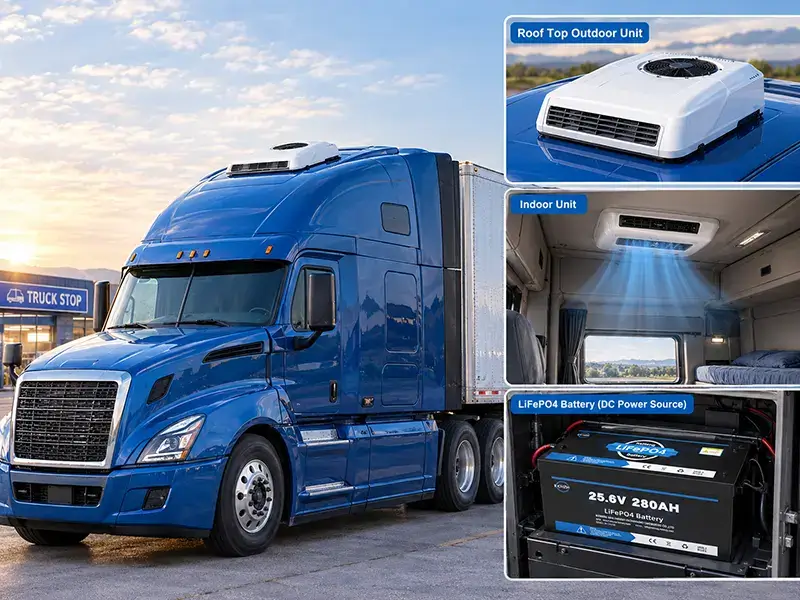
For example, suppose you complete a battery retrofit for a truck fleet to support 5 hours of parking air conditioner use. The parking air conditioner has a power of 800W, paired with a lithium battery featuring an 80% depth of discharge and 90% conversion efficiency. The calculation is derived as follows:
800W × 5h ÷ 25.6V ÷ 80% ÷ 90% ≈ 217 Ah
The Most Professional 24V Lithium Battery Manufacturer
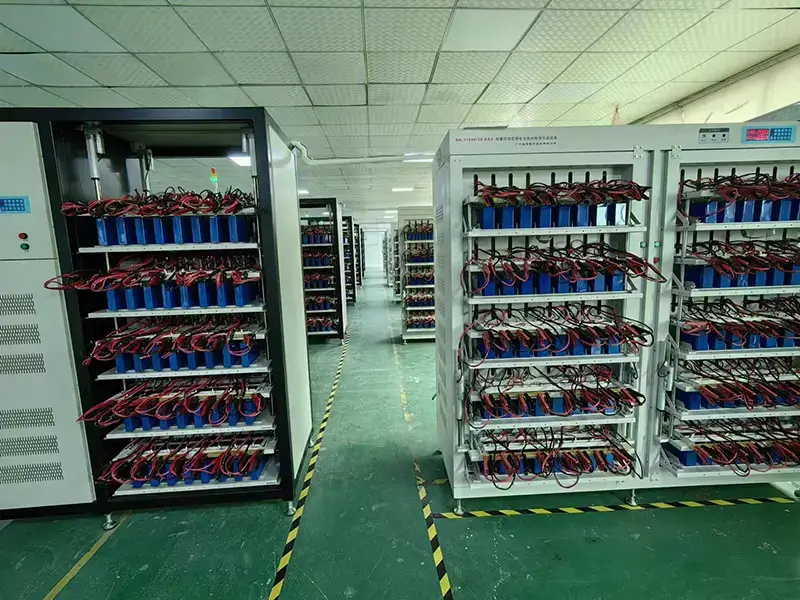
Incoming Material Inspection

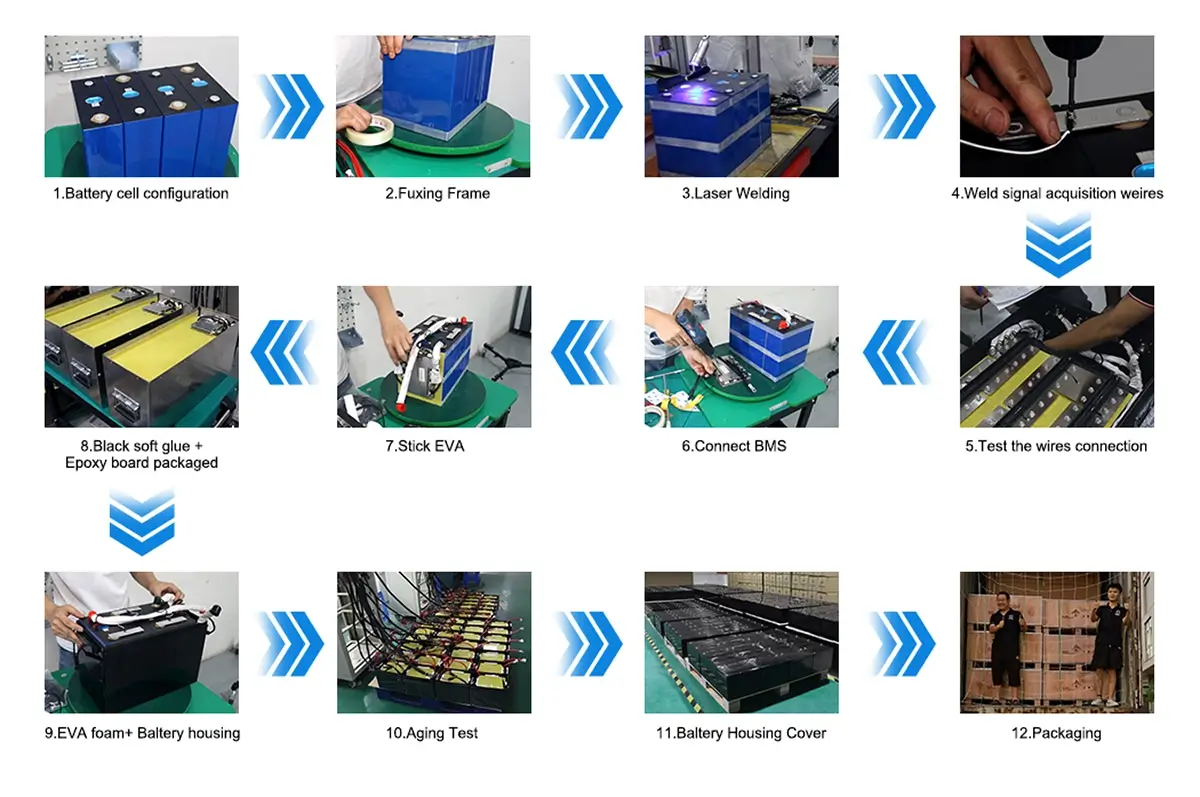
Production Process Control
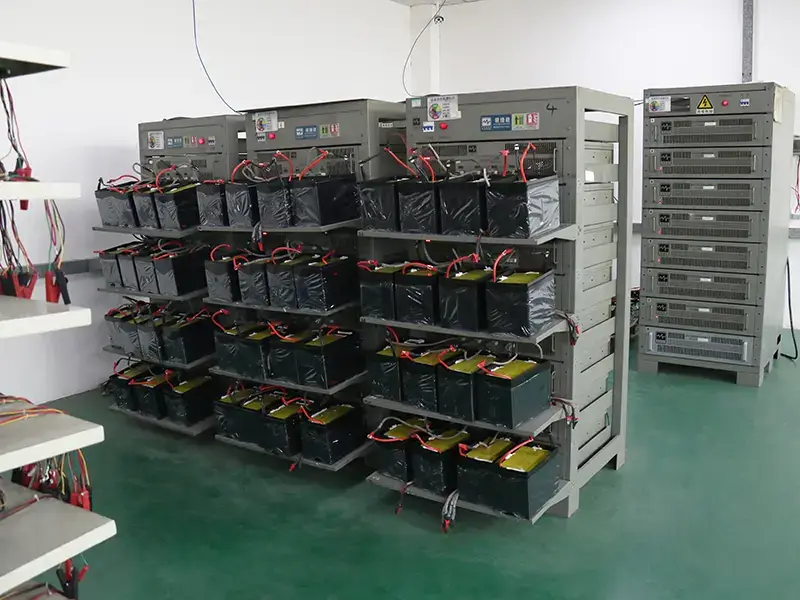
Multi-Working Condition Performance Testing
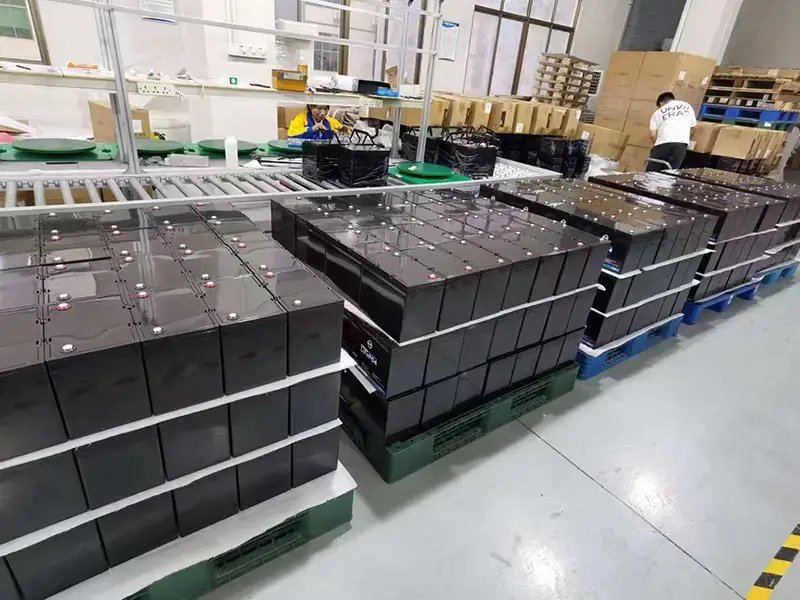
Pre-Delivery Inspection
Global Mainstream Certifications
The Most Professional Customization Services

Structural and Protection Customization
We customize the battery dimensions and mounting hole positions to match your battery compartment. A variety of housing materials are available, including UL94-V0 grade flame-retardant ABS, thickened cold-rolled steel, and aluminum alloy plates. Output interfaces can be adapted to different specifications such as Anderson connectors, aviation circular connectors and copper busbar connections, with ingress protection ratings ranging from IP20 to IP69.
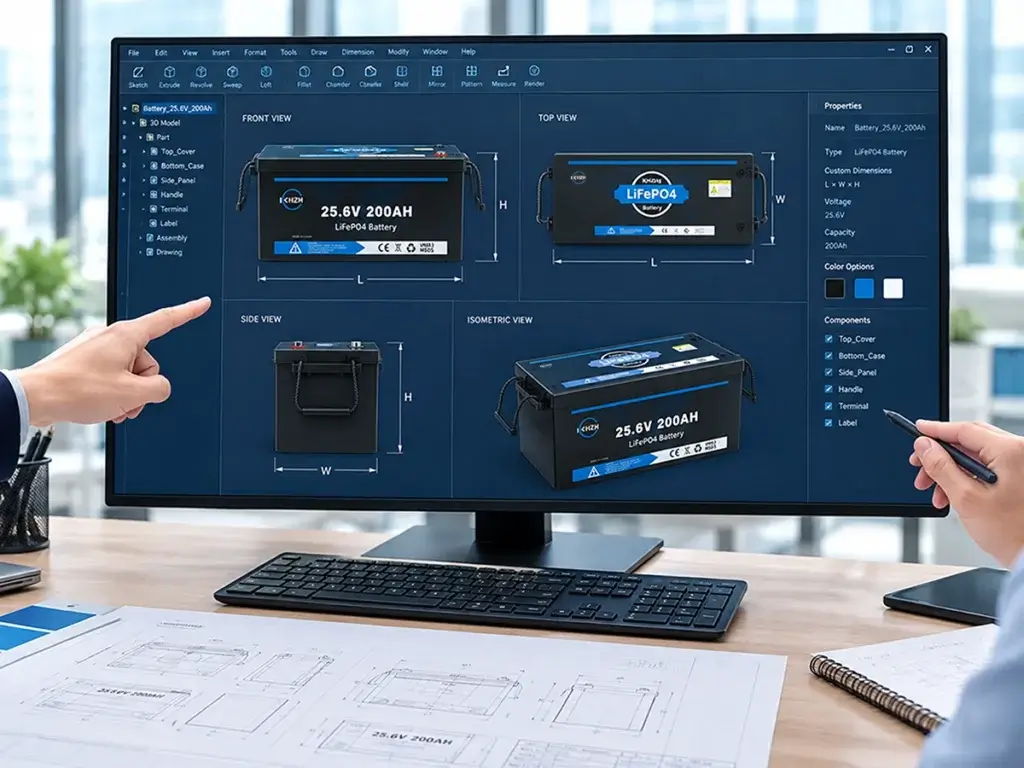
Electrical Parameter Customization
We support full parameter tuning for rated capacity, charge/discharge current, BMS protection thresholds, voltage platforms and more. For communication, we support mainstream industrial interfaces including CAN, RS485, SMBus and I2C, and are compatible with standard protocols such as Modbus-RTU and CANopen, enabling seamless integration with host systems like PLCs, vehicle control units and energy storage monitoring systems.
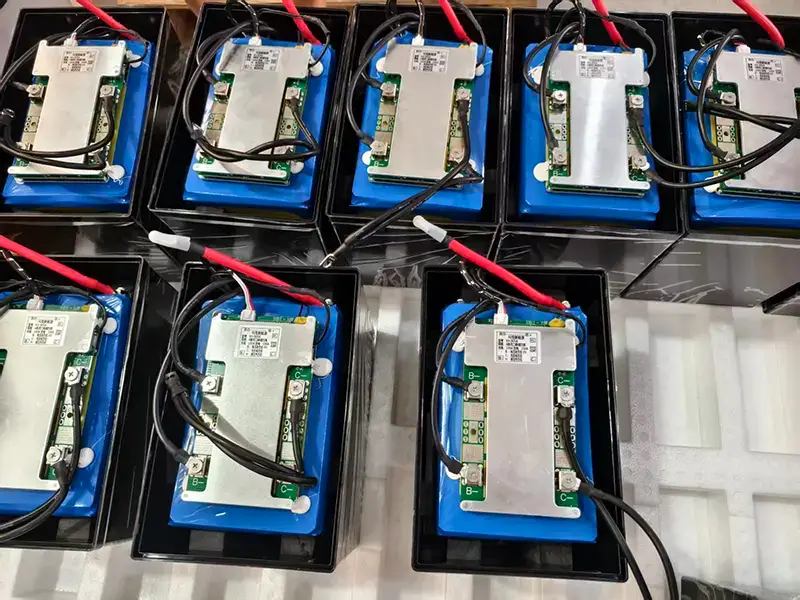
Additional Function Customization
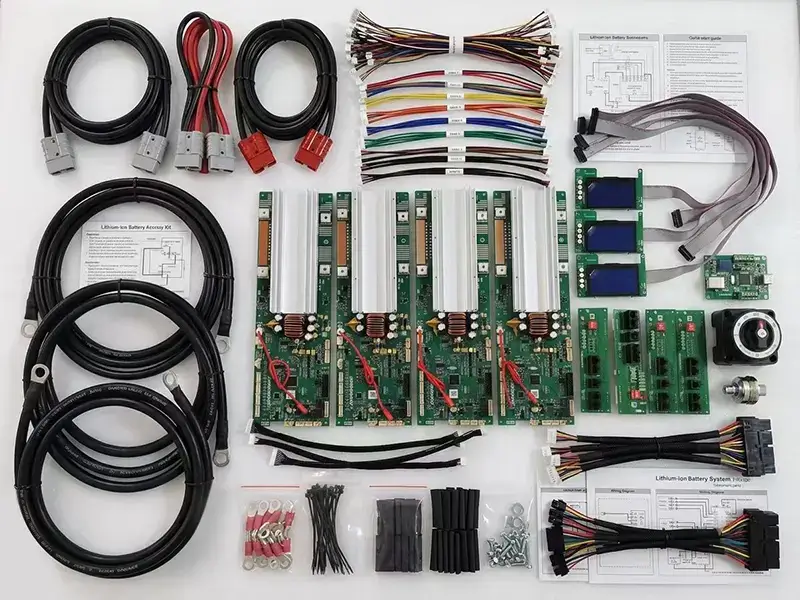
Targeted functional development can be carried out according to your requirements. We can integrate Bluetooth and host computer communication modules to enable remote SOC/SOH monitoring and fault warning functions. We also provide master-slave architecture BMS, which ensures battery consistency and system safety for high-capacity scenarios with multiple parallel battery packs.
Standardized Customization Service Process
Requirement Alignment
We assign a dedicated engineer for one-on-one communication to confirm all customization requirements.
Solution Design
We deliver a preliminary solution and design sketch within 24 hours, and confirm the lead time.
Sample Prototyping
Once the solution is confirmed, the entire sample fabrication process within 7 working days.
Validation Testing
We provide full sample inspection reports and support the customer with on-equipment testing.
Mass Production
We finish delivery within 20–25 working days with full production digital traceability.
Delivery & Acceptance
Each shipment comes with a complete technical package and customs compliance documents.
After-Sales Support
We offer full-lifecycle technical support with a 24-hour engineer response guarantee.
Frequently Asked Questions
Can I connect 24v batteries in series or parallel?
Yes. Parallel connection is typically adopted to increase total capacity while maintaining the same system voltage, while series connection is used to raise the system voltage without changing the total capacity.
However, you must ensure strict consistency in voltage, capacity, and internal resistance across all batteries during system modification. Excessive voltage difference will trigger uncontrolled circulating current in parallel configurations, causing battery overheating or even swelling. Batteries with mismatched capacity and internal resistance in series will lead to inconsistent charging and discharging of individual units in the system, accelerating battery degradation.
How many cells are in a 24 volt battery?
It depends on the specific lithium electrochemical system and your customized capacity requirements. To meet the 24V nominal voltage requirement, lithium iron phosphate (LiFePO4) batteries usually adopt an 8-cell series (8S) configuration, while ternary lithium batteries use a 7-cell series (7S) setup.
Parallel configurations are also applied based on the capacity of a single cell. Take LiFePO4 batteries as an example: to achieve 100Ah capacity with 100Ah large-format cells, only 8 cells connected in series are needed. For 50Ah cells, two 24V series packs need to be connected in parallel to reach 100Ah, requiring a total of 16 cells.
What is the weight of a 24V LiFePO4 battery?
24v 50ah lifepo4 battery | 11kg |
24v 60ah lifepo4 battery | 13.6kg |
24v 100ah lifepo4 battery | 21kg |
24v 120ah lifepo4 battery | 27kg |
24v 200ah lifepo4 battery | 44kg |
24v 280ah lifepo4 battery | 47.5kg |
How long does 24v battery last?
What functions are required for a 24v lifepo4 bms?
How to charge a 24 volt battery?
Ready to Place a Bulk Order?
Get a customized quote within 24 hours. Our engineers are ready to assist you with specifications, certifications, and logistics.